Thank you for your interest in my work. However, this blog is no longer active and messages are not being monitored. Please visit my website www.conservationphotojournalism.com to view my work and to contact me. Follow me on Twitter or Facebook for updates on projects or news about upcoming talks, events and tours.
This blog is no longer active
Posted in African Wildlife, Conservation, Conservation Photography, Equipment, European Wildlife, Exhibition, Photography, Poaching, Take Action, Travel, UK Wildlife, Uncategorized, Wildlife, Wildlife Photography on May 11, 2016 by Neil AldridgeJoin me at the 2015 RSPB Members’ weekend…
Posted in Conservation, UK Wildlife, Wildlife, Wildlife Photography with tags birds, Charity, Events, Photo Workshops, rspb, talks, Workshops, York on January 1, 2015 by Neil AldridgeJoin me in my old home town of York in March for the RSPB Members’ Weekend. I will be presenting the after dinner talk on Friday the 27th before delivering a photo workshop on Saturday the 28th, which will include an opportunity to have your work critiqued.
The RSPB is not only one of the largest charities in the UK but it conserves birdlife the world over. I’m incredibly proud to be presenting my work, experiences and knowledge to such a powerful and passionate body of members.
For more information, head over to the RSPB’s website at rspb.org.uk
I am the 2014 European Wildlife Photographer of the Year!
Posted in African Wildlife, European Wildlife, Photography, Wildlife, Wildlife Photography with tags Africa, African wildlife, Animal Photography, Awards, Blesbok, Competition, European Wildlife, European Wildlife Photographer of the Year, GDT, Kariega, Motion Blur, Okavango, photography, Selinda, South Africa, Underwater, Wildlife, Wildlife Photographer of the Year, Wildlife Photography on October 24, 2014 by Neil AldridgeIt’s with humility and immense pride that I can announce that my photograph ‘Living Rock Art‘ has won me the overall title of 2014 GDT European Wildlife Photographer of the Year.
 The photograph is an artistic take on two blesbok antelope stampeding across the plains of South Africa’s Kariega Game Reserve. The shot was entered in the competition’s Nature’s Studio category before being awarded the overall title by the panel of judges. However, it’s a photo that very nearly didn’t happen…
I was in South Africa working on a story about the rhino poaching crisis and one particular rhino named Thandi that had survived a brutal attack by poachers. I think I had photographed Thandi from every possible angle so my guide – and now good friend – Brendon Jennings and I decided to take a break and explore the floodplains of the Bushman’s River. That’s when we found the herd of blesbok.
With the light on the plains fading fast, I decided to switch to a longer exposure and shoot in a more artistic style than my usual documentary approach. I stepped off the side of the vehicle to use the vehicle as a blind and to get a ground-level angle of the animals stampeding past. That’s when I heard a loud crack…
My ankle had turned in a hole. I landed in a heap in the dust. The pain was unbelievable but, fortunately, I had somehow planted my tripod and camera safely as I fell. I was able to sit up just in time to see the blesbok approaching. I grabbed my camera, locked my focus on them and panned smoothly as they careered past. Only once they had disappeared in a cloud of dust did I turn my attention to my injuries.
My fall may have been but the picture was no accident. It won’t be everyone’s cup of tea, I know that, but I was working hard to capture their movement in a still photograph. What I hadn’t banked on was that the shapes created by their striking black and white leg markings would so closely resemble Bushman rock art, which influenced the title of the image.
I collected my prize in Lunen, Germany at a ceremony marking the competition’s 14th year surrounded by incredibly talented photographers that I have nothing but respect for…which makes this win all the more special.
I’m pleased to say that my success in the competition was not just restricted to Africa’s plains. My photograph of a shoal of tiny Okavango robber fish swimming up the Selinda Spillway in northern Botswana was selected as Highly Commended in the Underwater category too.
 All of the winning images can be seen on the competition’s website www.gdtfoto.de
You can see my winning shots and more on my website www.conservationphotojournalism.com
Sign up to my newsletter…
Posted in Conservation Photography, Photography, Wildlife Photography with tags Conservation Photojournalism, News, Newsletter, Wildlife Photography on October 13, 2014 by Neil AldridgeDon’t miss out on any of my latest news, offers, published work, projects or travel and workshop opportunities. It’s easy to sign up to my monthly newsletter, simply follow the link below and add your email address (your details will never be shared). The November newsletter is due out before the end of October and promises to be an exciting issue so don’t delay…

Putting images to good use – Wild Shots 2014
Posted in Conservation Photography, Photography, Wildlife Photography with tags Cape Town, conservation photography, Conservation Photojournalism, photography, Presentations, South Africa, talks, Wild Shots, Wildlife Photography on September 27, 2014 by Neil AldridgeJoin me in Cape Town on Saturday 15 November for the Wild Shots Wildlife Photography Symposium. I am fortunate to be taking the stage alongside leading editors and fellow photographers to deliver an exciting line up of talks and workshops at the University of Cape Town’s Percy Fitzpatrick Institute.
In my talk Putting images to good use – picture power for conservation, I will be using some of my photo stories from Africa and Europe to show the importance and power of conservation photography.
Other speakers include reigning Wildlife Photographer of the Year Greg Du Toit, editor Sophie Stafford of BBC Wildlife and WWF Action magazines, fellow photographer Morkel Erasmus and Sam Reinders, photography editor at South Africa’s Go! Magazine.
Be sure to register for your place on the Wild Shots website at wildshotsevent.com
Join me in Botswana in 2015…
Posted in African Wildlife, Photography, Travel, Wildlife, Wildlife Photography with tags Africa, African Wild Dogs, Botswana, Chobe, elephants, Okavango, Photo Safari, photo tours, photography, Safaris, travel, Wild Dogs, Wildlife, Wildlife Photography on September 24, 2014 by Neil Aldridge
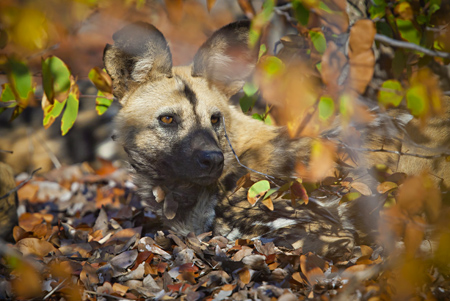
I’ve teamed up with friends at ODPSafaris and Pangolin Photo Safaris to offer two exciting photo safaris to Botswana in June 2015. Both tours will give you the chance to join me in the famous Okavango Delta and vast Chobe National Park as we go in search for elephants, fish eagles and my own favourite species, the African wild dog, amongst others.

Combining these two exceptionally diverse destinations in one tour puts this safari head and shoulders above others. Both the Okavango and Chobe offer unequaled opportunities to experience and photograph Botswana’s incredible wildlife. While staying in Chobe we will make the most of both land and water based activities. This includes shooting elephants and other visitors to a waterhole from a bunker hide and utilising the famous Pangolin photography boat, which is equipped with swivel chairs and gimbal heads built into a sturdy photographic setup that will offer the best possible solution for your needs.

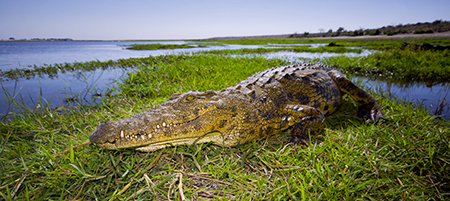
The area of the Okavango Delta that we will be visiting – the game rich floodplains of the Khwai river – is well known for its unrivaled African wild dog sightings with up to three packs of this endangered carnivore denning and roaming within close proximity of the camp. We will be timing our visit with when the packs usually den so our chances of encountering this endangered carnivore are good. The Khwai river also offers some of the finest birding with the area boasting a count of more than 420 bird species. Chobe’s famously high population of elephant provides unforgettable photo opportunities but we will also use boats to help you get close to kingfishers, hippos, fish eagles, buffalo and crocodiles.
Each tour lasts eight nights – with four nights spent at each destination – and there are eight places available on each. The first tour runs from the 7th to the 15th of June while the second runs from the 15th to the 23rd. Further information, tour itineraries, costs and links to how you can secure your booking can be found on my website at conservationphotojournalism.com/tours. I hope you will join us…

Vote for the meerkat…
Posted in African Wildlife, Photography, Take Action, Wildlife Photography with tags BBC, Botswana, Competition, Meerkat, Meerkats, Natural History, Natural History Museum, Neil Aldridge, NHM, photography, vote, Wildlife, Wildlife Photographer, Wildlife Photographer of the Year, WPY on June 17, 2014 by Neil AldridgeMy black and white photograph of a meerkat standing on the edge of Botswana’s Makgadikgadi Pans has been selected in a special 50th anniversary People’s Choice vote in the coveted Wildlife Photographer of the Year competition. There are some exceptional pictures in the shortlist taken by some great photographers but please visit the voting page and vote for the picture as your favourite.
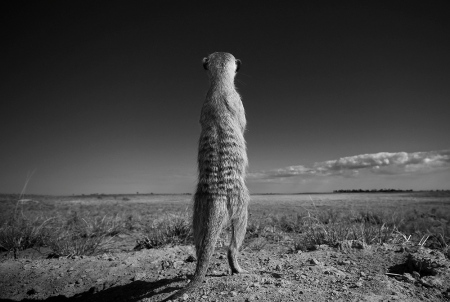
The photograph was selected as a finalist in the competition alongside ten more of my pictures. While it would have been nice to have had more success after having so many make the final, it’s a pleasure and privilege to be involved in this special 50th anniversary competition. You can vote for the meerkat and see the other shortlisted shots on the competition website at:
http://www.nhm.ac.uk/visit-us/wpy/community/peoples-choice/2014/28/sentry-duty.html
My NEW WEBSITE is now live…
Posted in Photography, Wildlife Photography with tags Brand, Conservation Photojournalism, conservationphotojournalism.com, Neil Aldridge, photography, website on June 9, 2014 by Neil AldridgeA website is generally one of those things that is never quite finished, never quite right. I’ve had a picture in my head for some time of how I want my website to look and an idea of how I want it to work for me – a fine balance of doing justice to the pictures I invest so much in taking and making it easy for my audience to navigate around, interact with me and find the information they’re after.
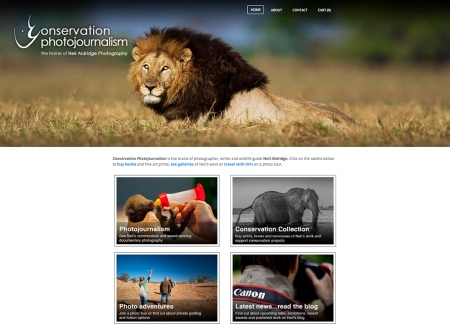
Did I get it right? Well, I know my answer to that question is ‘not quite’ (because there is still so much to write and upload) but you need to be the ultimate judges of that question. So…what do you think? Go on, check it out at conservationphotojournalism.com
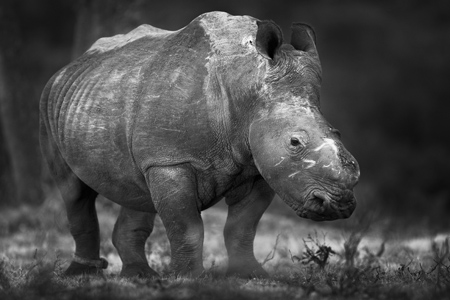
You may notice that the new website launch also comes at the same time as a new brand. I hope you like the rhino. I’ll be honest, it started as a doodle during a really boring conversation but I couldn’t think of a more poignant and iconic species to have incorporated into my branding than a rhino, so I developed it from there. Anyway, have fun browsing the new site. Do let me know what you think about it or the new brand via the contact page on the site.
Choose the cover of my new book…
Posted in African Wildlife, Photography, Wildlife, Wildlife Photography with tags Africa, african, animal pictures, Animals, black rhino, Book, Books, elephants, Have your say, Nature Photography, photography, pictures of animals, rhinos, vote, voting, Wildlife, Wildlife Photography on June 6, 2014 by Neil AldridgeI’m excited to announce that I am working on a new book and I am giving you the opportunity to have your say on what the front cover photograph should be.
I would really like to hear from you so I’ve made it easy for you. The choice has been narrowed down to portraits of two of Africa’s truly iconic endangered heavyweights – the African elephant and the critically endangered black rhino. Both shots were taken in the wild at two of my favourite locations. So, which do you prefer…


Thank you for voting. The book will be available for pre-orders shortly. So keep an eye on this blog and my website.
I’m also excited to say that you can see a preview of some of the shots from my upcoming book in my two talks at the British Birdfair in August. More information on the talks can be found on my Facebook page…
Go! Magazine features my black & white portfolio…
Posted in African Wildlife, Photography, Wildlife Photography with tags Africa, Black And White, Botswana, Chobe, Go, Kariega, Kruger, Kruger Park, Magazine, photography, pictures of animals, South Africa, Weg, Wildlife Photography on May 29, 2014 by Neil AldridgeI’m proud to say that June 2014’s issue of Go! Magazine features a portfolio of my black and white photography. The magazine is available across Southern Africa.
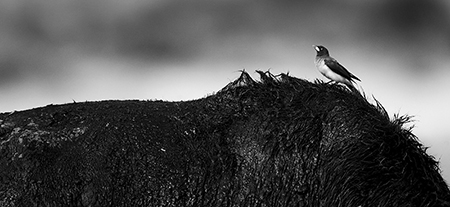
The portfolio includes some of my favourite photographs from Chobe, Botswana and South Africa’s Kariega Game Reserve and Kruger National Park. This is the second portfolio of my work that has featured in Go! Magazine after my African wild dog story Underdogs featured in November 2012.
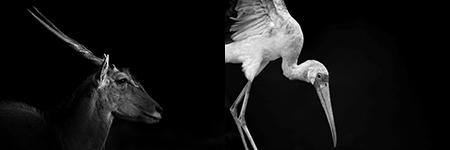
Buy your June copy of Go! to see the full selection of images or head over to my website conservationphotojournalism.com to see more galleries and to buy prints of my black and white photography.





 Conservation Photojournalism